


Supermarket Game
4.0884.00 Reviews
App Specs
- Version
- 1.64
- Updated On
- License
- Free
- Downloads
- 100,000,000+
- Developer
- FM by Bubadu
- Categories
- Casual
- Platform
- Android, iOS
Screenshots



 Analysis by AppCompare
I tend to enjoy games that give a small, familiar task a playful twist, and running a supermarket has an easy appeal: there are shelves to keep in order and customers to serve. Supermarket Game takes that everyday setting and turns it into a casual management challenge. I see it as a light option for short breaks, especially if you like staying busy with several simple demands rather than following a long story.
One central challenge: keeping the shop moving
The heart of the game is the pressure of juggling customer needs with the work of keeping shelves stocked. That gives the supermarket theme a practical purpose: you are not just looking at a shop, but trying to keep its activity flowing. The appeal is less about simulating a real retail job and more about the quick decisions involved in responding to one need while preparing for the next.
In games built around this kind of management, a useful habit is to scan the whole situation before reacting to the most obvious task. I’d use that approach here: notice what customers need, keep an eye on available stock, and avoid letting one urgent request distract you from everything else. It turns the play into a small prioritization exercise instead of a string of random taps.
That focus makes it approachable even if you do not normally play strategy games. You can understand the basic idea quickly, while the challenge comes from keeping multiple responsibilities in view. For me, that is the strongest reason to try it: the supermarket setting provides a clear goal without asking for a complicated rulebook or a big time commitment.
How that pressure feels during play
The game begins with a manageable shop and grows more demanding as you progress. That gradual rise is a sensible fit for casual play: early tasks can help you get comfortable, while later activity asks you to react more thoughtfully. I would treat each level as a chance to learn which jobs compete for attention, rather than expecting the game to become a deep business simulator.
A practical approach is to avoid focusing on only one part of the shop. If I spend all my attention on serving customers, I may miss the stock side of the job; if I think only about stocking, I can lose sight of the people waiting. The interesting decision is choosing what to handle now and what can safely wait a moment. That is where the management theme earns its place.
The game is designed for bursts of attention, but it may not be an ideal choice when you need to pause instantly at any point. The original experience describes timed pressure, so I would start a session when I have a few uninterrupted minutes rather than opening it in the middle of a task that could call me away. That small adjustment can make the challenge feel fun instead of inconvenient.
Worth Reading Before You Choose

Flipboard Shows What News Apps Must Do Beyond the Feed

Switching to Android Auto Means Rethinking Your Driving Routine

Google Calendar Makes a Crowded Week Easier to Manage

Ludo King Makes the Most of the Minutes Between Plans

Baby Panda World Brings Quick Play to Modern Phones, but Its Game Library Feels Busy

ESPN’s Live Game View Makes Following Close Games Easier
A useful fit for small breaks
Imagine having a short wait before an appointment, or a quiet stretch after lunch when you want something more active than browsing a feed. A level-based supermarket task can fill that gap: you have a clear objective, a bit of pressure, and a natural stopping point when the session ends. I’d choose it for that sort of pause, not for a long evening when I want a story or a world to explore.
It can also suit someone who likes tidy routines and visible progress. The work of keeping products available and serving customers gives each session a simple rhythm. If you enjoy seeing a busy situation become manageable through quick choices, the theme may click. If you prefer open-ended building, complex economic planning, or a slow pace, this game’s emphasis on responsiveness may feel too narrow.
For a family setting, its Everyone age classification makes it broadly accessible, though I would still consider whether the timed tasks suit the particular child playing. The bright presentation and familiar shop setting are easy to understand, but the pressure to act quickly may be less appealing to someone who wants relaxed, unhurried play. The best test is whether they enjoy reacting to changing demands rather than simply exploring.
Where it sits among casual games
Compared with a puzzle game, this is less about solving one self-contained problem and more about balancing several small jobs as they arrive. Compared with a pure idle game, it asks for more active attention: the fun comes from responding and keeping the shop organized, not simply waiting for progress. And compared with a larger management simulator, it offers a lighter entry point, with a familiar premise instead of a heavy planning toolkit.
That middle ground is useful, but it also defines who should look elsewhere. Players who want intricate supply chains, detailed customization, or a realistic retail simulation are likely to outgrow this style. Someone who likes quick decisions and uncomplicated goals may find it more inviting than those alternatives. I would think of it as a compact time-management game with a supermarket wrapper, rather than a serious lesson in running a business.
One small strategy I’d recommend is to treat stock and customer service as linked priorities, not separate chores. When a level gets busy, take a moment to identify the item or task that is likely to cause the next slowdown, then address that before chasing every new request. It is a simple way to make the pressure more manageable and to learn from a difficult round without needing to play recklessly.
Presentation and the feel of the shop
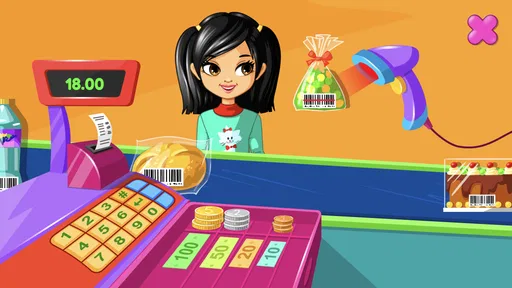
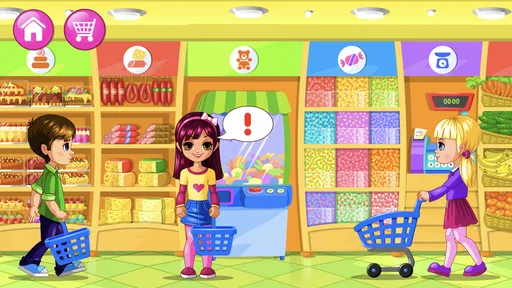
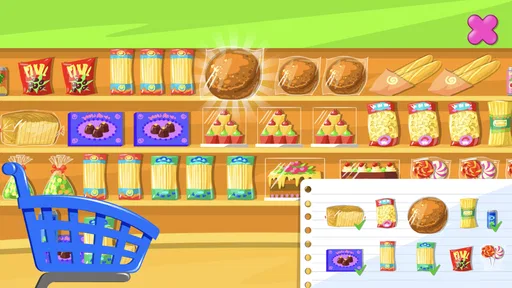
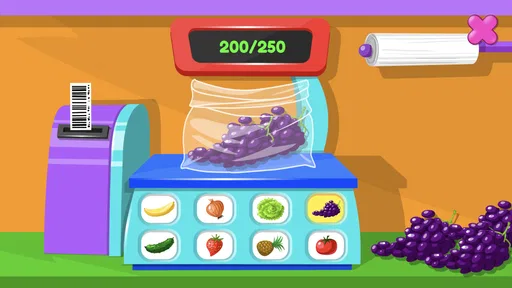
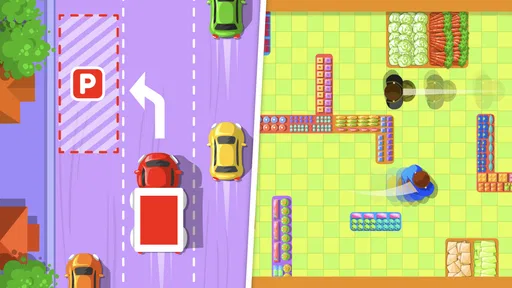
The visuals use bright colors and a cartoon style that suits the playful premise. Products and characters are drawn to make the shop feel lively rather than realistic, which helps the game stay light. The sound design adds to that energy, with an upbeat tune and effects that give actions a little feedback. I particularly like the cash-register sound: it makes a completed sale feel satisfying without needing elaborate presentation.
That cheerful style is a good match for brief sessions, though it may not suit everyone. If you prefer quiet games, repetitive upbeat music and busy sound effects can become tiring over time. I’d lower the volume or play with sound off if I wanted to focus on the decisions without the extra stimulation. The activity is the main draw, so the audio does not need to be the reason you keep playing.
Free to start, with spending to consider
The game is free to download, and it includes optional in-app purchases priced from $0.99 to $3.99 per item. I’d begin without buying anything and see whether the ordinary pace feels comfortable. Spending may appeal if you want to move through parts of the game faster, but it is worth asking whether that convenience adds enough enjoyment for you. In a casual game, patience is often a perfectly reasonable alternative.
For parents, the purchase option is more relevant than the cheerful presentation alone. The Everyone rating indicates broad age suitability, but it does not mean every family will want a child making purchase decisions. I would check the device’s purchase settings before handing it over, especially if the child tends to tap quickly through prompts. That is a practical precaution for any free game with paid items.
At the same time, I would not assume that paying is necessary to enjoy the basic loop. The game is built around managing tasks and progressing through challenges, and the best first step is to see how its rhythm feels without spending. If progress starts to feel like a chore, that is a good point to reconsider whether the game is right for you rather than automatically paying to push past the friction.
Who will get the most from it
Supermarket Game is a good match for players who like short, active sessions, familiar settings, and simple management decisions. It can also work for someone looking for a casual game that gives their attention a clear job. FM by Bubadu has kept the concept straightforward, and that accessibility is part of its appeal rather than a flaw in itself.
It is less suitable if you dislike timers, want to play at a completely unhurried pace, or expect a detailed simulation of how a real supermarket operates. It may also be a poor choice when you only have a few seconds available and need to stop without warning. I would choose a relaxing puzzle or an idle game instead if I wanted minimal pressure; I would look for a deeper management title if I wanted long-term planning.
The game has an average rating of 4.0 from around 271,000 ratings, and it has been installed over 100 million times. Those figures suggest a widely played casual title, but they are not a substitute for matching its pace to your own taste. It is free, rated Everyone, and runs on Android 6.0 or later; its current version is 1.64. It was released on July 11, 2016, so it has been around for years, though what matters most is whether this kind of quick shop-management suits you now.
The Gameplay Experience
From the moment you launch the game, you’re greeted with vibrant colors and a cheerful soundtrack that instantly lifts your mood. The game kicks off by placing you in charge of a bustling supermarket. Your mission? To manage every aspect of it, from stocking shelves to assisting customers. Sounds simple, right? Well, not quite!
The game challenges you to keep up with customer demands while ensuring the shelves are filled with the right products. What’s cool is how it gradually increases in complexity. At first, you might only have a few items to manage, but as you progress, expect your supermarket to grow along with your responsibilities.
Graphics and Sound
The graphics are bright and appealing, with a cartoonish style that suits the app's playful theme. Each item and character is designed with attention to detail, making the game visually charming. The sound effects complement the graphics perfectly, with a peppy tune that keeps the energy levels high as you race against the clock to serve all your customers.
One thing I particularly enjoy is the sound of the cash register. There's something oddly satisfying about hearing that "cha-ching" every time a sale is made. It adds a layer of realism and excitement to the game.
Challenges and Levels
The game offers a variety of levels, each bringing new challenges and opportunities. From managing a small corner shop to becoming the ultimate supermarket mogul, the game keeps you on your toes. The tasks range from simple stocking and selling to handling special events where you need to meet specific goals within a limited time.
What keeps me hooked is the strategic element. You need to plan your moves carefully, ensuring you're not running out of stock while also upgrading your facilities to handle more customers. The game rewards quick thinking and efficient management, making it a perfect blend of fun and strategy.
In-App Purchases and Monetization
Like many free-to-play games, the game offers in-app purchases. While you can enjoy the game without spending a dime, there are tempting options to enhance your gameplay. From buying extra coins to unlock new features or speed up certain processes, the choices are there if you're looking to invest a little more into your gaming experience.
However, the game is generous with its rewards, so you can advance without feeling pressured to make purchases. It’s all about balancing your patience and strategy to get the most out of the free version.
Final Thoughts
Overall, this supermarket management game is a delightful addition to the world of mobile gaming. It's perfect for those idle moments when you need a quick break but want something more engaging than scrolling through social media. The combination of colorful graphics, catchy music, and challenging gameplay makes it an app worth downloading.
Whether you're a fan of time management games or just looking for a new way to pass the time, give it a try. I promise you, it’s a grocery shopping experience like no other. Happy gaming!
Pros
- Engaging and colorful graphics.
- Wide variety of levels and challenges.
- Educational for kids
- teaching math.
- User-friendly interface
- easy navigation.
- Regular updates with new content.
Cons
- In-app purchases can be costly.
- Occasional ads interrupt gameplay.
- Some levels may feel repetitive.
- Requires internet for certain features.
- Limited options for customization.
FAQs for Supermarket Game
What is the main objective of the Supermarket Game?
The Supermarket Game is designed to simulate the experience of managing and operating a supermarket. Players are tasked with stocking shelves, assisting customers, and managing financial resources to ensure the store runs efficiently. The goal is to grow the supermarket by meeting customer needs and maximizing profits.
Is the Supermarket Game suitable for all age groups?
Yes, the Supermarket Game is designed to be family-friendly and suitable for all age groups. It provides a fun and educational experience for children to learn about basic math and management skills, while adults can enjoy the strategic aspects of running a virtual business.
Does the Supermarket Game require an internet connection to play?
The Supermarket Game can be played both online and offline. However, certain features such as in-app purchases, leaderboards, and social connectivity options may require an internet connection to access. Playing offline still provides a complete and enjoyable experience.
Are there in-app purchases in the Supermarket Game?
Yes, the Supermarket Game offers in-app purchases. These can include additional game currency, special items, or premium features that enhance gameplay. While these purchases can enrich the experience, they are not necessary to enjoy the core aspects of the game.
What are the system requirements for the Supermarket Game on Android and iOS?
For Android, the Supermarket Game typically requires Android version 5.0 or higher and at least 1 GB of RAM. On iOS, it generally requires iOS 10.0 or later and is compatible with iPhone, iPad, and iPod touch. Always check the app store for the latest compatibility details.


